
What is Generative AI for Sales Analytics
Generative artificial intelligence has transformed the way companies analyze sales data.Unlike traditional tools that only process numbers, generative AI can interpret complex patterns, generate automatic reports, and make predictions based on historical contexts and market trends.
Systems like GPT, Claude and Gemini can be integrated into sales platforms to extract valuable insights in seconds. They convert raw data into understandable narratives, eliminating the need for time-consuming manual analysis and reducing misinterpretation.
How Generative AI Works in Sales Forecasting
Generative AI sales forecasting combines machine learning with natural language processing.The system analyzes purchase histories, seasonality, customer behavior, and external factors to create robust predictive models.
The algorithm identifies patterns that would go unnoticed in manual analysis. For example, it detects how changes in weather, holiday dates or marketing campaigns directly impact sales volume.
Companies implementing generative AI report up to 30% increase in forecast accuracy compared to traditional methods.This allows for better inventory management, resource allocation and cash flow planning.
Practical Benefits for Your Business
Automating Reports
Generative AI eliminates hours of manual work in reporting. It feeds on sales data for the period and automatically generates executive summaries, contextualized charts, and action recommendations.
An analyst who spent 8 hours a week assembling spreadsheets now receives a full report in minutes. This frees up the team for strategic activities and dramatically reduces operating costs.
Identifying Growth Opportunities
AI detects customer segments with high growth potential, products with better margins, and optimal periods for promotions.It analyzes cross-buying behaviors and recommends strategies customized by customer profile.
Retail companies use this ability to increase the average ticket by 15% to 25% by targeting the right offers at the right time, based on in-depth analysis of each customer's history.
Waste Reduction and Stock Optimization
Accurate forecasts prevent slow product overstocks and missing items in high demand.Generative AI calculates optimal inventory levels by considering supplier lead time, demand variability, and seasonality.
Recommended Tools and Platforms
Several solutions are available in the market to implement generative AI in sales analytics. Options vary in complexity, price, and compatibility with existing systems.
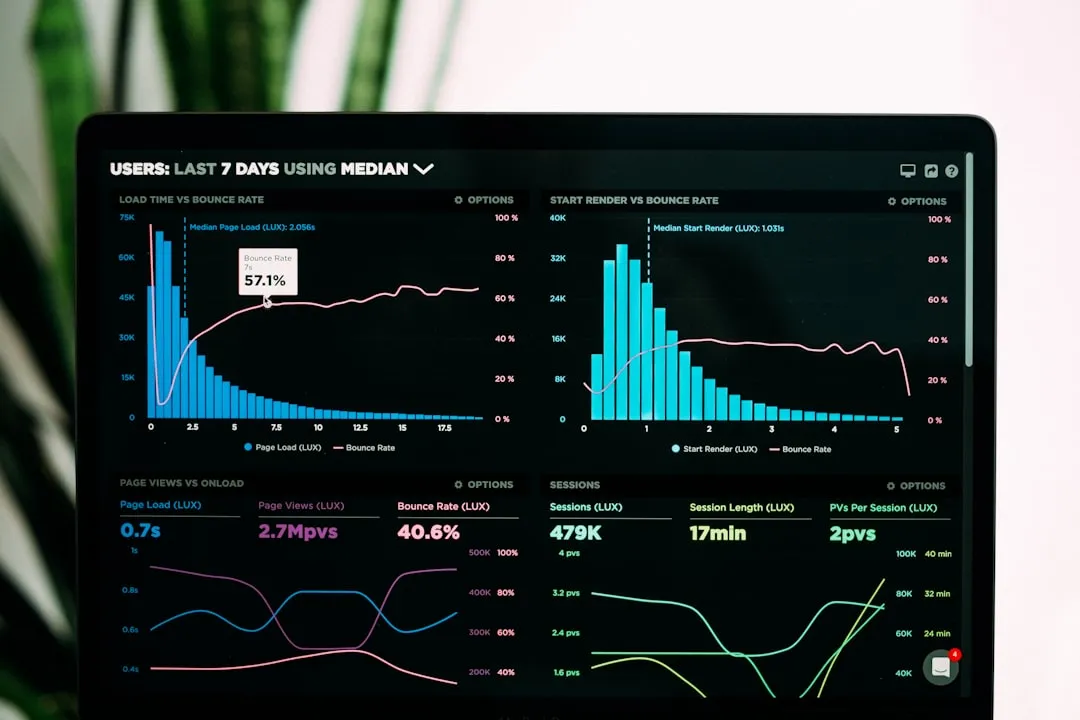
Integrated Solutions (All-in-One)
- Salesforce Einstein integrates sales forecasting directly into CRM, with AI trained specifically for the sales cycle.
- HubSpot with AI: analyzes sales funnel and predicts conversion of opportunities with automatically generated reports.
- Microsoft Dynamics 365 combines sales data with predictive analytics and real-time recommendations.
Specialized Platforms in Forecasting
- Tableau with AI: visualizes complex data and provides insights via integrated intelligent assistant.
- Alteryx automates analysis and forecasting workflows without intensive coding.
- Sisense: offers robust predictive analytics with user-friendly interface for non-technicians.
Step by Step to Implement in Your Business
Step 1: Data Audit
Evaluate the quality of existing sales data.Clear inconsistencies, remove duplicates, and standardize formats. Poor quality data generates poor forecasts, so spend time at this stage.
Step 2: Tool Choice
Set the budget and specific needs.If you already use Salesforce, Einstein is natural integration.For exploratory analysis, tools like ChatGPT Plus with data plugins are cost-effective to start with.
Step 3: Model Training
Feed AI with historical data of at least 24 months. The more data, the better the learning. The system will identify patterns and create predictive models that are suitable for your type of business.
Step 4: Validation and Adjustments
Test forecasts against actual data from the last 3 months. If the margin of error is greater than 15%, adjust parameters or increase the volume of training data.
Step 5: Integration with Processes
Set up automatic alerts when forecasts indicate deviations. Integrate reports with your existing BI system and establish weekly or monthly review routines.
Success Cases and Measurable Results
Companies that adopt generative AI for sales analysis report concrete transformations.A Brazilian retail chain implemented demand forecasting with AI and reduced overstocks by 22%, freeing up capital for investments in other areas.
A software SaaS increased pipeline forecast accuracy from 68% to 91% in six months using generative AI integrated with Salesforce.This allowed for much more reliable revenue planning for investors and stakeholders.
B2B manufacturing companies use AI to predict which opportunities are most likely to close, focusing sales efforts on prospects with the best conversion potential.The result is a 35% increase in opportunity conversion rate.
Challenges and How to Overcome them
The biggest barrier is the lack of sufficient or quality historical data. Startups and new businesses need alternatives: use industry benchmarks, combine internal data with external data, or implement the solution at a reduced scale while accumulating data.
Another common concern is interpretability: it is not always clear why AI made a specific prediction. Choose tools that offer explainability and do not blindly trust numbers.
Demonstrate rapid value with pilots in a business unit before expanding.When people see tangible results, adoption naturally accelerates.