Introduction: The Revolution of Mobile Photography
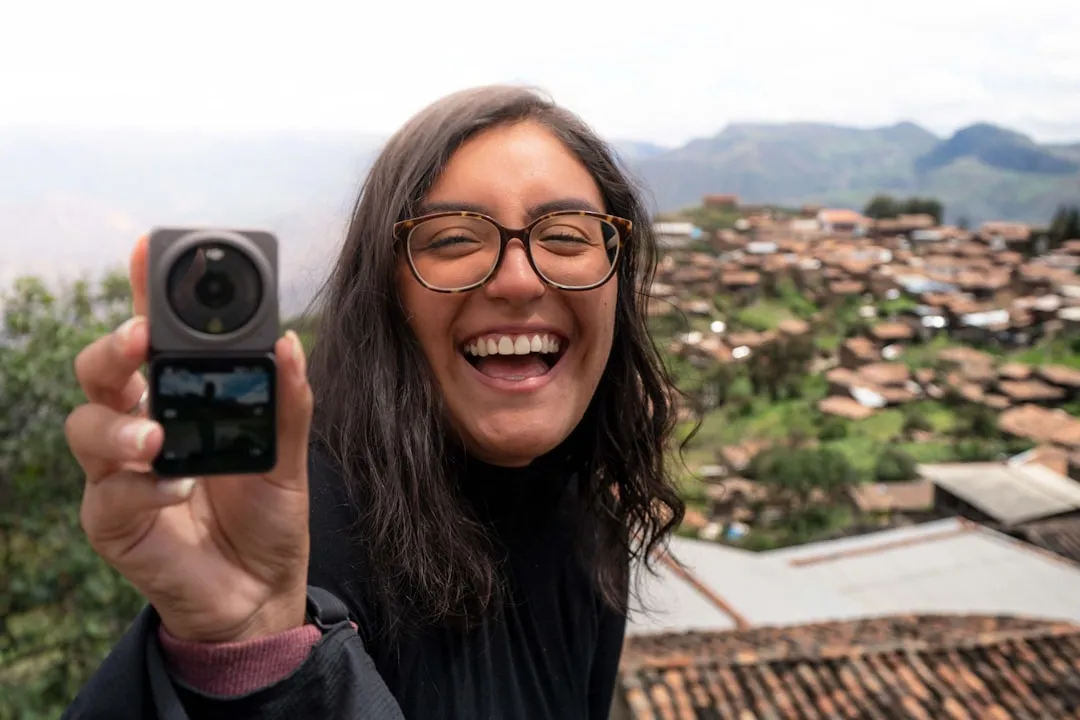
The war between compact cameras and smartphones is not new, but it has changed radically over the past five years.While compact digital cameras have dominated amateur photography for two decades, smartphones have conquered the pockets of billions of people and brought advanced photographic technology to the palm of their hand.
The question is no longer "which is better at all", but rather "which serves best for my specific case". Understanding the technical and practical differences between these two types of devices is essential for those who take photography seriously ¡ ̄ whether professional or enthusiastic.
Sensor Quality: The Heart of the Photo
The sensor is the most important element in determining image quality. Compact cameras have significantly larger sensors 1 inch or more (typically 1 inch or more 2 while smartphones use smaller sensors, usually between 1/1.3 and 1/1.9 inches.
A larger sensor means more space to capture light. In practice, this translates into better performance in low-light environments, more accurate colors and less image noise. Quality compact cameras, such as the Sony RX100 VII or Panasonic Lumix LX100 II, offer sharpness and detail that smartphones still cannot match, especially in challenging light conditions.
However, modern smartphones 15 iPhone Pro, Pixel 8 Pro and Galaxy S24 Ultra IO compensate for smaller sensors with extremely sophisticated computational processing. Artificial intelligence algorithms adjust exposure, colors and details in real time, creating stunning photos even in situations where a compact camera would have difficulties.
Lens System: Zoom, Angular and Versatility
Traditional compact cameras come with a fixed lens or optical zoom that varies by model. The Sony RX100 VII, for example, offers 8x optical zoom, allowing for close approach without loss of quality. This optical zoom is superior to digital zoom because it uses real glass mechanism.
Smartphones do not have true optical zoom in most cases. What appear to be "multiple lenses" (wide-angle, ultra-angle, telephoto) are actually separate sensors. The advantage here is versatility: you have instant access to different viewing angles. The disadvantage is that the "optical zoom" plus 3x to 5x usually degrades the quality.
For general photography & travel, family events, social networking & the variety of smartphone lenses is more practical.For situations that require consistent quality zoom & shooting birds, sporting events, details from a distance & compact cameras with optical zoom gain.
Lens Opening and Depth of Field
The aperture (f-stop) determines how much light enters the camera and affects the "depth of field" (bokeh) that blurred background effect we see in professional photos.High-quality compact cameras offer apertures such as f/1.8 to f/2.8, creating natural and attractive blur.
Smartphones have improved a lot here.The iPhone 15 Pro reaches f/1.6, and premium models offer portrait modes with artificial bokeh processing.However, the effect is not identical: compact cameras create real blur through optics, while smartphones rely on algorithms that, although efficient, sometimes fail to detect the edges of the object.
If you're looking for that cinematic look with a softly blurred background, wide-aperture compact cameras still have the upper hand. Smartphones are enough for most uses, but the results differ when analyzed side-by-side.
Practicality and Connectivity: The Smartphone's Obvious Advantage
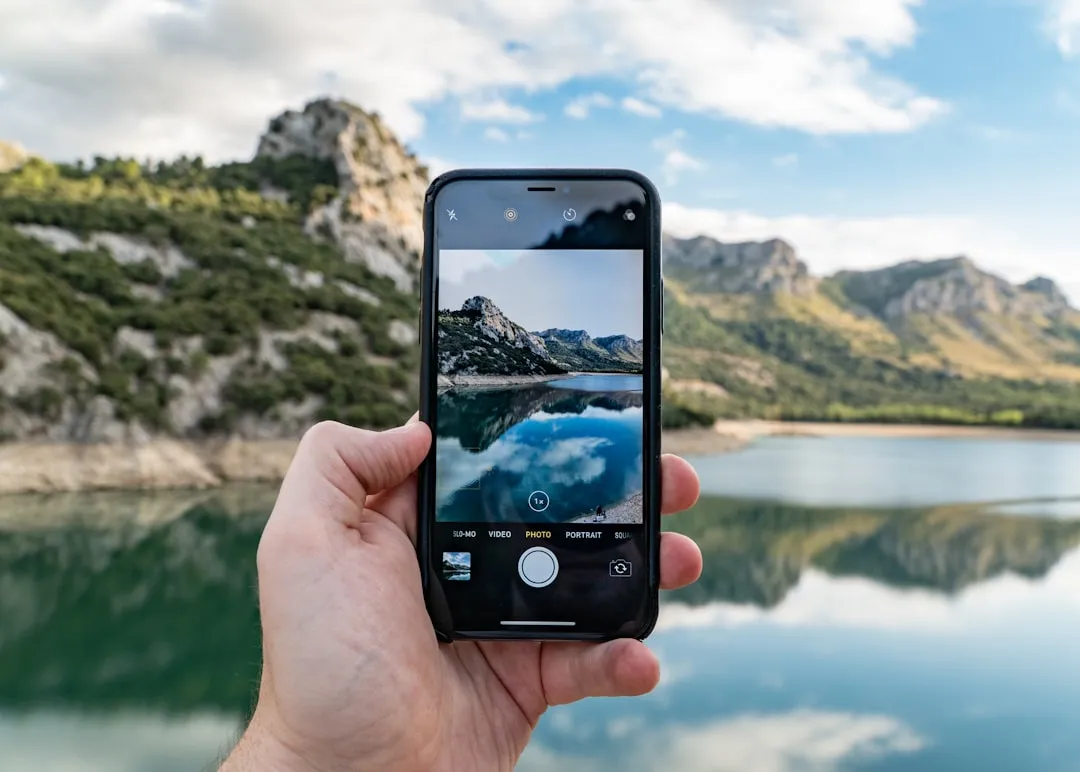
Here, there is no debate: smartphones win by a large margin.You carry only one device that works as a phone, camera, editor and simultaneous sharing platform.No compact camera competes with this convenience.
Edit and share photos from a smartphone is instant. You take the photo, adjust in seconds with apps like Lightroom or Snapseed, and publish on social networks directly. With compact cameras, you need to transfer to a computer, edit in the appropriate software and then send ''' are several additional steps.
For those who live connected 'tripers, content creators, event photographers ' THIS practicality is decisive. The compact camera that stays at home is just a camera. The smartphone you always carry is both camera and portable studio.
Performance under Specific Conditions
Night photographs: Compact cameras with larger sensors capture more natural light. Smartphones use night mode with prolonged exposure and aggressive processing, but it is more computational artifice than real light capture.
Macro photographs (very close details): Macro mode smartphones offer impressive minimum focal length 2 cm. Compact cameras vary, but many fail to focus as close.
Video: Both offer 4K quality, but compact cameras allow for greater manual control (shutter speed, ISO, aperture), while smartphones automate everything for simplicity.
Battery: Compact cameras take 200-300 photos per charge. Smartphones, if used only for photography, last the whole day easily.
Which Should You Choose?
Choose a compact camera if: you are an amateur or professional photographer who seeks maximum quality, desires consistent optical zoom quality, frequently shoots in dark environments, or enjoys manual control over image parameters.
Choose your smartphone if: you want convenience above all, you constantly share photos on social media, you want a single device for all your needs, you travel frequently, or your priority is to capture moments quickly without thinking about settings.
The truth: in 2024, most people get amazing visual results only with smartphones. Compact cameras win in raw technical quality.But technical quality is not the only measure context, capture speed and ease matter.